Hemp Derived THCA Products vs. CBD: Key Differences Explained
The difference between hemp derived thca products and CBD products sounds simple at first. Both are cannabinoids. Both come from hemp. Yet the way they affect the body, how they’re processed, and what to watch for when you’re shopping can feel totally different in real life.
I’ve talked to plenty of customers who start with one goal and end up surprised by the path they need to take. Some people want daytime calm without feeling “high,” and others are specifically chasing a more noticeable effect, not just relaxation. The product labels can add to the confusion, especially when thca products near me ends up meaning whatever is most convenient at the moment, not what actually matches your needs.
Below is a practical breakdown of what THCA products are, what CBD is, and how to choose between them without getting stuck in marketing language.
Start with the basics: THCA and CBD aren’t interchangeable
THCA and CBD are both naturally occurring cannabinoids found in cannabis plants, but they behave differently.
THCA is tetrahydrocannabinolic acid. In raw plant material, THCA is the dominant cannabinoid. The key point is that THCA is not the same thing as THC. THCA typically needs heat to convert into THC (delta-9 THC) through a process called decarboxylation.
CBD is cannabidiol. CBD does not convert into THC through normal heat exposure the way THCA does. It’s more stable in that respect.
That difference matters because your “route of use” changes what you’re effectively consuming.
If you use a product that involves heating (like smoking, vaping, or some types of concentrates), THCA is more likely to become THC and produce stronger, more psychoactive effects.
If you use CBD in typical formats (tinctures, capsules, gummies that are not relying on THCA conversion), you’re mostly staying in the CBD lane.
What hemp derived thca products usually are
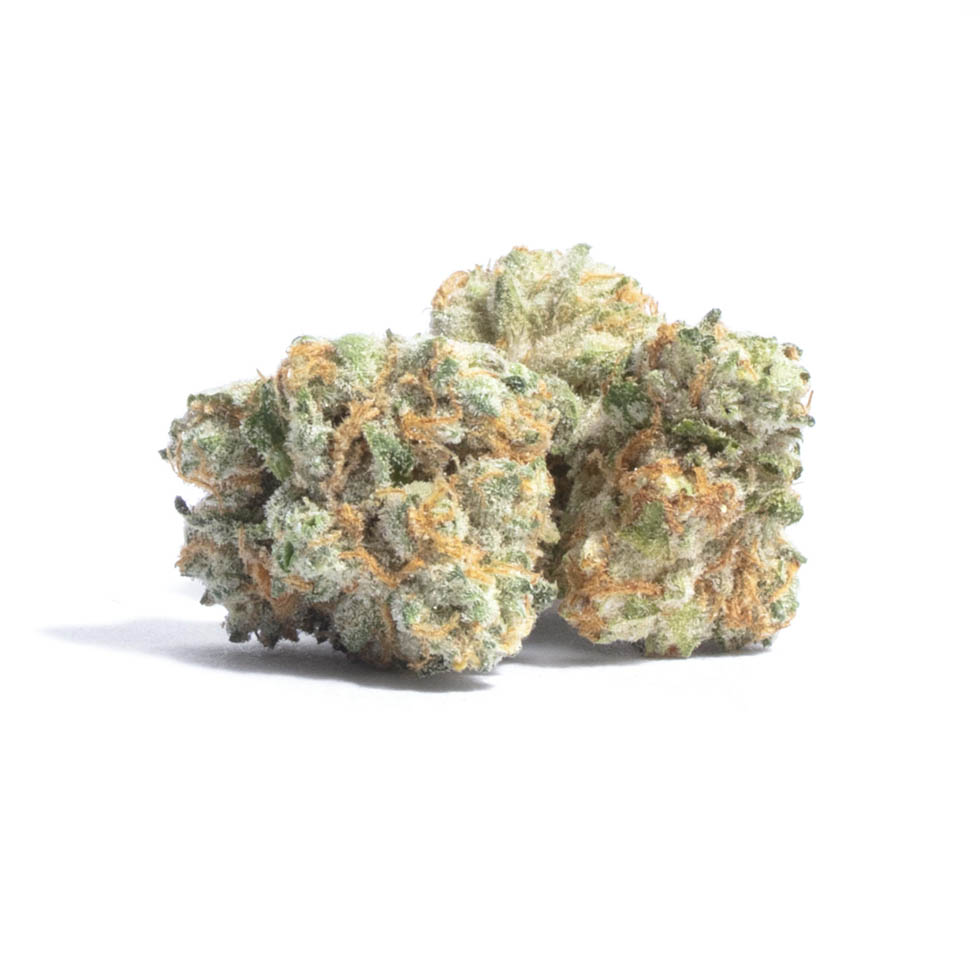
When you see “hemp derived thca products,” you’re usually looking at products formulated from hemp biomass and extracts where THCA is abundant and then isolated or blended into a finished item.
Depending on the product type, the experience can range from “mild and functional” to “strong enough that people notice the change in mood and mental state.” That spread happens because the effective THC exposure is influenced by:
- whether the product is already “activated” (heated)
- how it’s consumed
- how much THCA is present in the final serving
- whether the product is combined with other cannabinoids or terpenes
Here’s where people get tripped up: some brands describe the product as THCA because that’s what’s in the raw extract, but the moment you heat it, you may be generating THC in your body.
A lived example that clarifies the confusion
A customer once told me they tried a hemp THCA flower type product and felt a strong effect, then another brand later felt much calmer. The labels looked similar on the surface, but their use method wasn’t. The first time involved heavier inhalation and more heat, and the second time was consumed more lightly and less frequently. The difference wasn’t “CBD versus THCA” that day, it was “how much conversion actually happened” plus “how consistently they dosed.”
That’s why thca products sold near me can be tricky, because the same category name can include very different heat and dosing behaviors depending on the format and how people use it.
What CBD products usually are
CBD is commonly offered in forms designed to be consistent and easy to dose:
- tinctures and drops
- capsules
- edibles
- topicals
CBD may also be sold as broad-spectrum or full-spectrum products, meaning the extract can include other cannabinoids and trace amounts of THC. The practical difference is that some people tolerate full-spectrum better because of the overall cannabinoid and terpene blend, while others want to minimize any THC-related concerns.
Important reality check: CBD’s effects are often subtle compared to THC, but that doesn’t mean it’s “weak.” People just tend to notice it differently. Some describe it as easing background stress or supporting a steadier mood. Others use it to support sleep routines. The benefit depends heavily on the person, the dose, and the product quality.
How they affect the body: effects are not just marketing claims
THCA products: the “THC potential” changes everything
Even though THCA is not THC in the raw form, THCA’s close relationship to THC makes it more likely to produce a noticeable psychoactive effect once activated.
What tends to show up when THCA is converted in practice:
- relaxation that can feel physical
- changes in perception or mood
- increased appetite for some people
- altered focus and reaction time in others
The strength varies a lot. If you’re chasing the “best thca products,” you want to think less about the word best and more about the product’s activation behavior and potency.
Also, if best thca tinctures someone is sensitive to THC, THCA products can be a bad fit even at small amounts because conversion can happen unexpectedly depending on heat, inhalation style, or how an edible was manufactured.
CBD: often more functional, less likely to impair (but not always)
CBD is generally considered non-intoxicating. Most people do not feel “high” from CBD alone. The common experience is more about balance and comfort rather than a clear mental state shift.
People often use CBD for:
- tension and stress support
- post-workout comfort routines
- relaxation in the evening
- skin and muscle comfort with topicals
But “non-intoxicating” does not mean “risk-free for every person.” CBD can interact with certain medications by affecting liver enzymes involved in drug metabolism. I’m not giving personal medical advice here, but it’s a strong reason to be cautious if you’re on prescription meds, especially those with narrow therapeutic windows.
Product formats: same cannabinoids, wildly different outcomes
This is where the comparison becomes very concrete.
If you buy hemp derived thca products, you may see formats like vapes, concentrates, tinctures, or flower. With THCA, “does it get heated?” becomes a core question.
With CBD, formats vary too, but CBD does not require conversion the way THCA does.
Here’s the practical difference:
- A THCA product you consume with heat can behave like a THC product.
- A THCA product you consume without much heat might feel milder, but it can still convert depending on how it’s prepared.
- A CBD product typically stays CBD and tends to be more consistent across common routes like capsules and tinctures.
This is why two people can both say they tried “thca products” and report totally different experiences. They may have used different formats, different heating intensity, or even different dosing habits.
How to choose between hemp derived thca products and CBD (without guessing)
Your goal should drive the decision more than the ingredient alone.
If your aim is calm without impairment, CBD is often the starting point. If your aim is stronger relaxation or a noticeable change, THCA products may fit better, especially if you choose a format that aligns with your desired intensity.
But I’ve also seen people do the opposite. A person who thought they wanted “sleep” started with CBD because it seemed gentle, then eventually moved to THCA products because they needed something more sedating. Another person tried THCA and found it too intense, then returned to CBD for daily use.
The “best” choice is usually the one you can use consistently without unpleasant surprises.
A quick comparison that actually reflects real shopping
Here’s the shortest version that still respects how people experience these products:
- Activation: THCA often needs heat to convert to THC, CBD does not.
- Expected feel: CBD is usually more subtle; THCA products can become noticeable once activated.
- Dosing flexibility: CBD tends to feel easier for daily, low-dose routines; THCA can be more sensitive to how you consume it.
- Medication caution: CBD and THC-related products can have interaction concerns depending on your meds, but CBD is the one that most commonly triggers metabolism discussions.
- Purchase intent: If you’re searching “thca products near me” for a specific effect, verify format and activation, not just the cannabinoid name.
Lab reports and labeling: the difference between “maybe” and “measured”
If you’re shopping for thca products or CBD, you should treat third-party testing like an essential feature, not a marketing bonus.
You’re looking for at least these items on a lab report:
- cannabinoid breakdown (including THCA, delta-9 THC if applicable, and other cannabinoids)
- contaminant testing (common categories include pesticides, residual solvents, and heavy metals)
- batch or lot number matching the product you have in hand
- whether the product is derived from hemp and how the brand defines compliance
The compliance angle is complicated, because hemp regulations are usually tied to delta-9 THC thresholds. THCA itself is often discussed differently, and conversion changes the practical effect. Without getting lost in legal specifics, the key shopping takeaway is this:
If you want predictable outcomes, don’t just read the cannabinoid headline. Confirm what’s actually in the serving and what changes when you heat or digest it.
The “THCA products near me” problem: convenience can distort your decision
When people search “thca products near me” or “thca products sold near me,” they’re often dealing with two realities at once: they want results and they want speed. That’s understandable.
But local availability can push you into whatever stock is available, and THCA products vary wildly by:
- potency per serving
- how much is already activated
- whether the product contains other cannabinoids
- the form factor and expected dosing rhythm
In other words, convenience affects your experiment. If you want to compare THCA products meaningfully, try to keep the format consistent for a few test rounds, then adjust only one variable at a time.
CBD tends to be easier to compare across tinctures and capsules because the cannabinoid profile is more straightforward and less about heat conversion.
Picking “best thca products” vs “best CBD products” the right way
Marketing will always try to compress nuance into a single word like best. Your process needs a few quality filters so you’re not paying for hype.
A short buying checklist (use this before you decide)
- Verify the COA matches the lot number and shows cannabinoids clearly.
- Check the delta-9 THC and THCA numbers, then ask what happens with your intended use method.
- Look at dosing guidance in plain language, not vague “feel it” claims.
- Make sure the product format matches your goal, especially for thca products that could be heated.
This checklist helps you evaluate both hemp derived thca products and CBD, but it’s especially critical for THCA because activation can change the experience.
Safety and side effects: practical considerations, not scare tactics
THCA products: watch for potency surprises
Because THCA can convert to THC, side effects that people associate with THC can show up if conversion is significant. Those can include:
- dry mouth
- red or irritated eyes
- increased heart rate or anxious feelings in some people
- next-day grogginess depending on dose and sensitivity
I’ve seen the most common THCA mistake happen when someone uses a larger amount than they would with CBD, then assumes the effect will be mild because “it’s not THC.” If you’re new, it’s smarter to treat THCA like a THC-adjacent product, at least until you know your tolerance and how that particular format converts and hits.
CBD: pay attention to your body and medications
CBD is usually well-tolerated, but it can still cause side effects for some people. Common ones people report include changes in appetite, fatigue, or digestive discomfort at higher doses.
Medication caution is the big one. CBD can interact with certain drugs by influencing liver enzymes. If you take prescription medications, it’s worth checking with a pharmacist before you start, especially if your med is one where dosage changes matter.
How to run a simple comparison experiment at home
If your goal is to decide between these categories, you need a way to compare without mixing everything up. The cleanest approach is to pick one format for each category and stay consistent for long enough to learn something.
For example, if you try CBD tincture one day and then switch to CBD gummies the next, you’re changing dose dynamics and absorption rates. Likewise, if you go from a heated THCA product to a non-heated THCA format, you’re changing conversion behavior.
A real-world approach that often works:
- Choose one CBD format and one THCA format.
- Start low.
- Give it enough time to settle before increasing.
- Only change one variable at a time, whether that’s dose, timing, or frequency.
Even with the same cannabinoid, absorption and onset can differ by format, and confusion about timing is a major reason people think products are inconsistent.
Common myths and misunderstandings I hear
“THCA is basically the same as CBD”
It’s not. THCA is closely tied to THC outcomes when activation occurs. CBD is not THC-adjacent in the same direct way.
“If it’s hemp, it won’t show up anywhere”
I won’t overstate this. Drug testing depends on the test type and your exposure history. But it’s reasonable to say that THCA products that meaningfully convert to THC can create risks for people subject to testing. If you’re in that situation, don’t rely on assumptions from marketing labels. Ask questions and be cautious.
“Stronger label numbers always mean better”
Sometimes the thca products “stronger” product just means harder to dose correctly. A slightly lower potency product can actually be better if it helps you find a comfortable dose range.
Which should you choose, CBD or hemp derived thca products?
If you’re trying to decide quickly, here’s the practical rule I use when advising friends and customers in plain language:
- Choose CBD when you want a more subtle, routine-friendly effect and you want fewer variables around activation.
- Choose hemp derived thca products when you want a more pronounced effect and you’re willing to pay attention to format, activation, and dosing sensitivity.
Most people don’t stay loyal to only one cannabinoid forever. I’ve watched patterns repeat: someone starts with CBD for daily comfort, then adds a THCA option for specific nights or specific needs. Others do the reverse, especially if they tried THCA first and realized they needed something gentler during daytime.
There’s no one correct answer. The right product is the one that gives you the outcome you want with the least amount of downside for your body and your life.
Final thoughts for real-world shoppers
If you’re scanning shelves or browsing online for thca products near me, don’t let the category name do the heavy lifting. Ask how the product is meant to be used, check the cannabinoid panel, and think through activation. For CBD, focus on the COA quality, the cannabinoid type (broad-spectrum versus full-spectrum if relevant to you), and your dose tolerance.
And if you’re chasing the best thca products, treat it like buying any other potent ingredient: the “best” one is the one you can dose confidently, repeat consistently, and trust based on lab testing.
When you shop with that mindset, the choice between hemp derived thca products and CBD stops feeling like a gamble, and starts looking like a controlled, personal decision.